Return of the Students

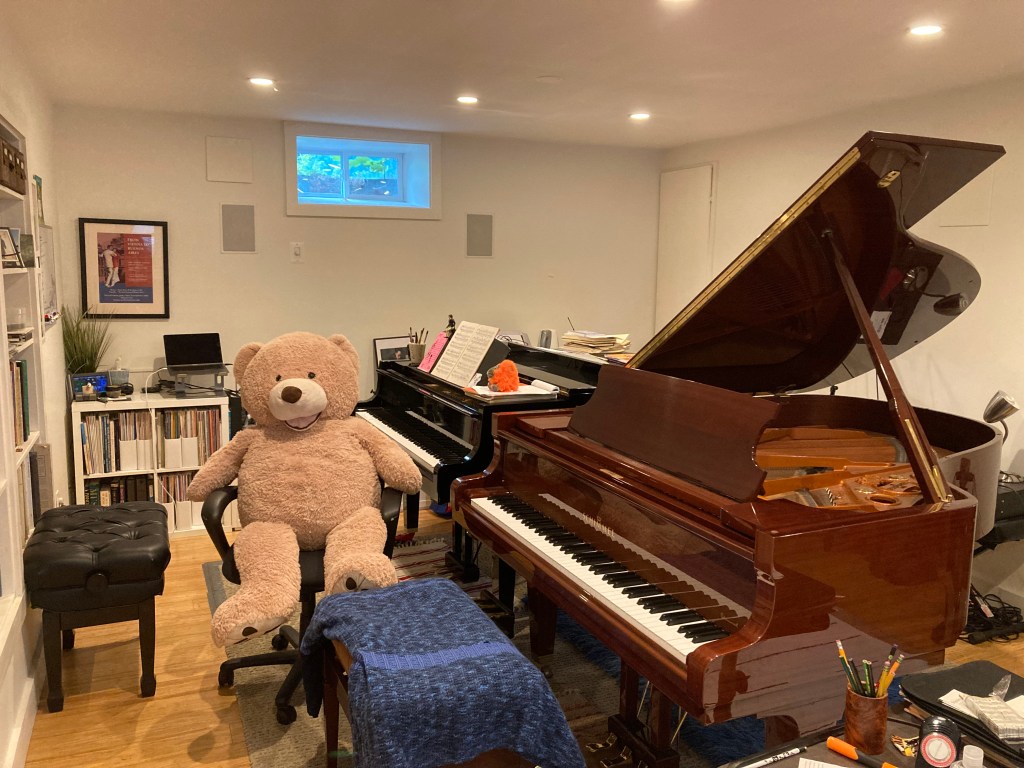
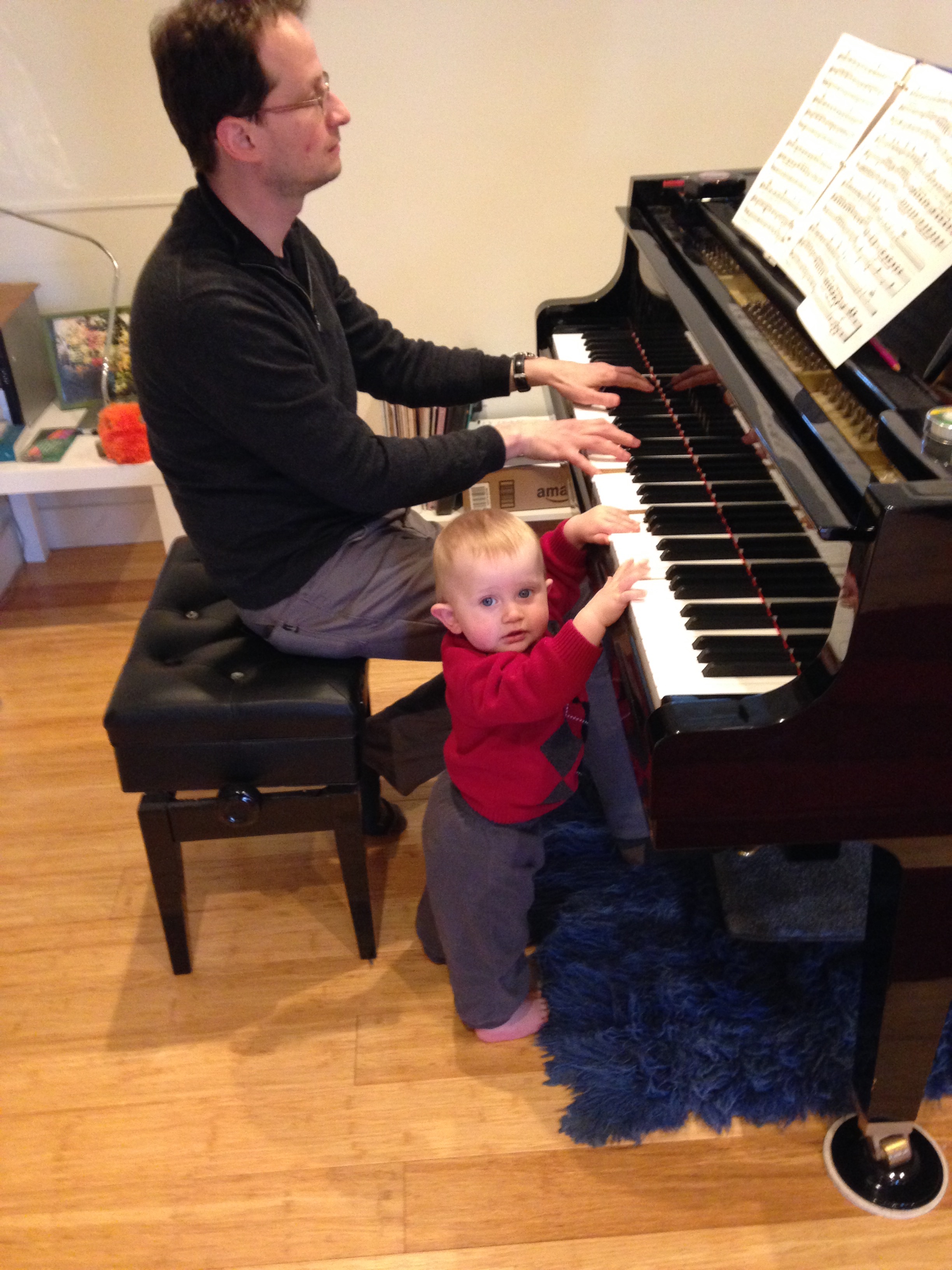
After nearly 18 months of teaching piano lessons exclusively on Zoom, students this summer have gradually been returning to the studio for their lessons. I had become so accustomed to virtual lessons that I was almost surprised by how nice it was to once more teach in-person! The returning students are older, taller, and more mature. The students I have only known “virtually” are a bit nervous, but excited to meet me for the first time. Side-by-side, each of us at a piano, I can play along with them, watch their pedaling, and hear more closely the nuances of their sound. And how much easier it is to hear the sound up close, rather than strain to discern the sound through the distortion of less than ideal audio!

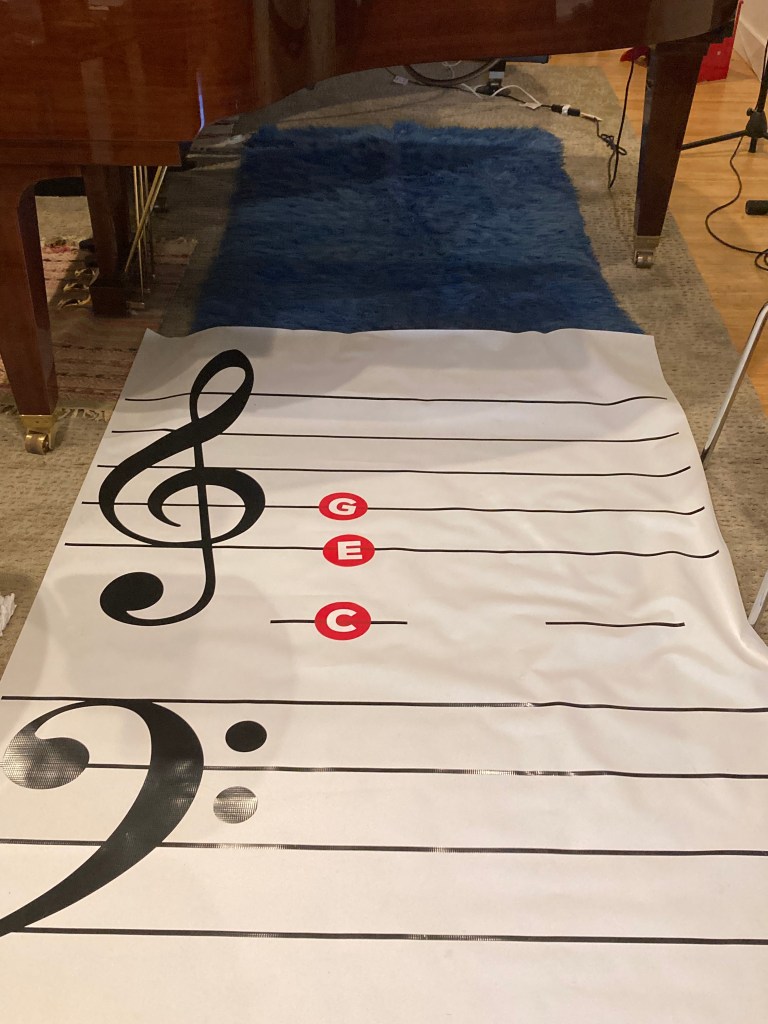
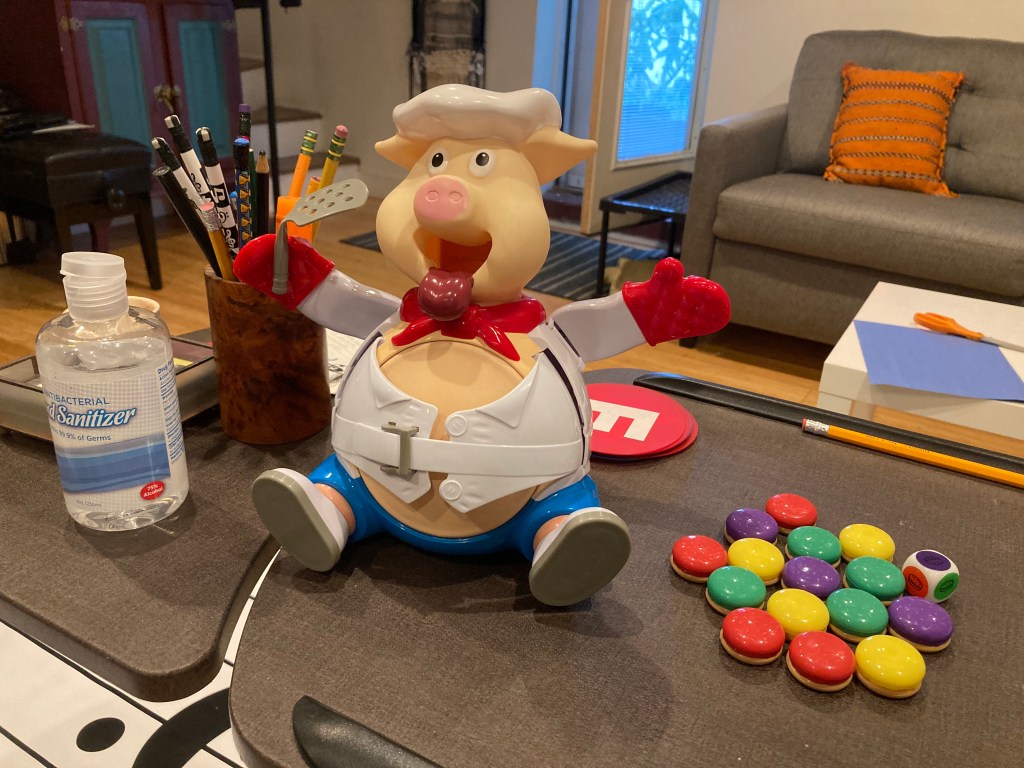
In addition to the ease of once again speaking to students face to face, we have been able to return to some of the tactile activities we used to do before the pandemic. With young beginners, especially, these activities are tremendously important. We toss a soft ball back and forth to loosen up the arms, and we march around the room to feel the musical pulse. Students are happy to once again decorate the giant grand staff on the floor with the note names. Pop-the-Pig is a new addition to the studio: students can feed the pig a hamburger every time they complete a task correctly! They love seeing the pig “pop” when they feed him enough times.

I am hopeful that we will be able to continue in-person lessons this year, although if we’ve learned anything, it is that things could change at any time. We’ve all become more versatile teachers this past year, and can add virtual lessons to our teaching toolbox. In the meantime, we are definitely going to enjoy having our students back in our studios!
How Young is Too Young?


IMG_2608

As a piano teacher and the parent of a four-year-old, I am often asked by other parents if this is a good time to begin piano lessons. Because every child is different, now might be a good time for some, but not for others. Even if your child shows a strong interest in music, they might not be ready to begin formal lessons. 

When I teach young children, I find that many of the activities we do in class are things any parent could do at home with their child. Here are some ideas to get you started:

  1. If you don’t already have a piano in the house, get one! There is a wide range of instruments for every budget.  If possible, have the instrument in your house well before starting lessons. It will become as familiar as a favorite toy.  When you do begin lessons, your child will already have a degree of comfort at the instrument.  
  2. Encourage musical experiments! Your child won’t break the piano. Let them experience the unparalleled range of sounds a piano can make.  Make up musical stories together, improvise together at the piano, listen to music together, and sing together.
  3. Show them the groups of black keys—they come in 2’s and 3’s. Learning to identify them with ease is the first step toward mastering the letter names of all the white keys.  They can improvise on the black keys, making up their own songs. The black keys all sound good together, and you can hold the right pedal down for extra effect. Encourage playing all over the keyboard, to develop a wide range of motion from the very beginning.
  4. Teach them the musical alphabet. It starts at A and goes up to G. Then it starts all over again.
  5. Learn the left side from the right side. I often spend considerable time on this at the first few lessons with a young student!  It is important to identify the left hand and right hand, and also to develop a kinesthetic awareness of both sides. This can be accomplished with fun games involving the whole body!  For example, a child can practice jumping to the left or right. This can also be tied into the foundations of ear training – jump to the right when you hear a high sound, to the left when you hear a low sound, and jump in place when you hear the same sound.